Harvesting & grain handling
Krone Specs for Forage Power and Grain Acceptance
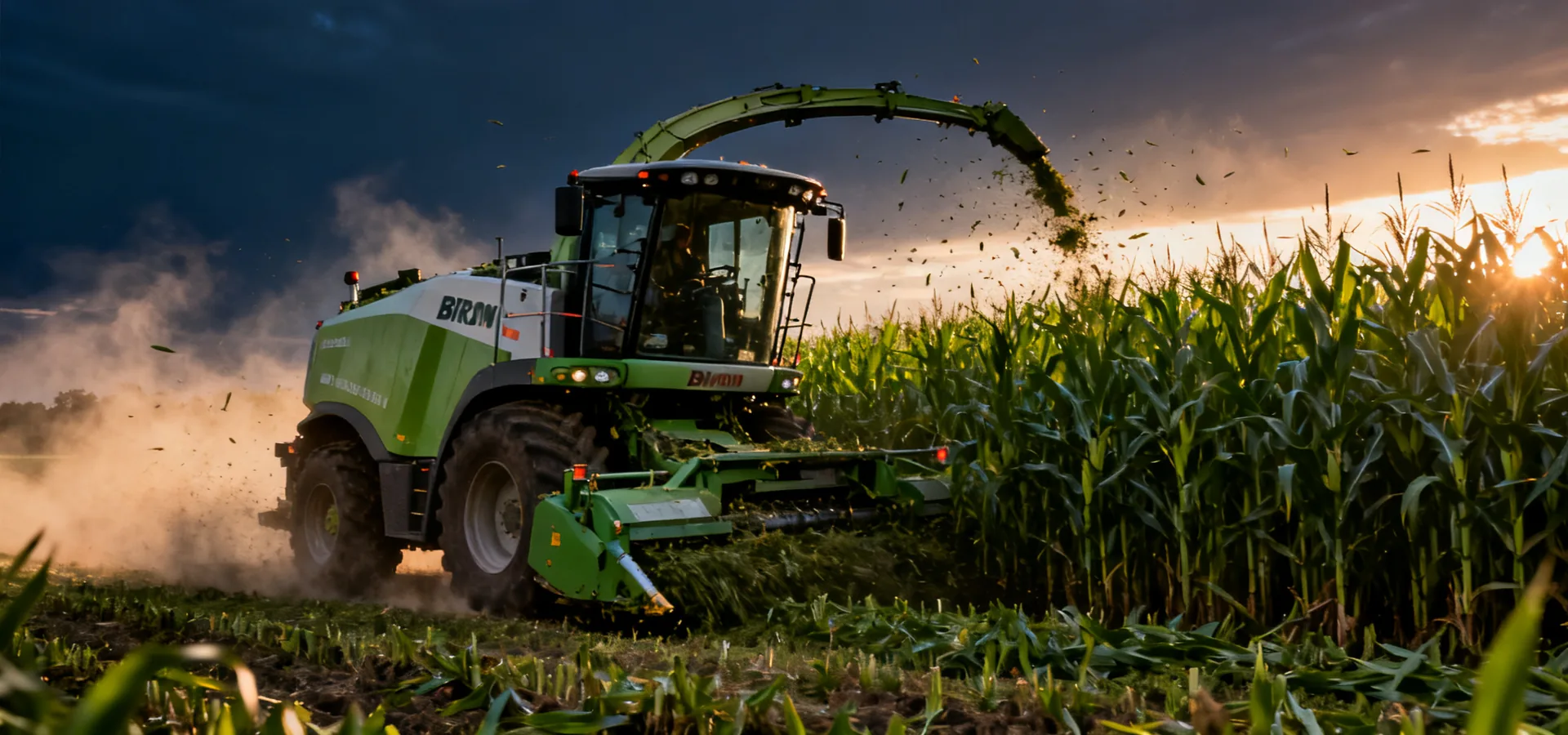
Translate forage harvester engine class, header working width, bale density and grain moisture targets into reviewable equipment requirements before the season opens.
Harvesting & grain handling
Translate forage harvester engine class, header working width, bale density and grain moisture targets into reviewable equipment requirements before the season opens.
Acceptance criteria
Switch tabs to review forage chopping, baling density and grain moisture parameters that procurement and agronomy teams typically lock before RFQ.
| Parameter | BIG X mid class | BIG X high class |
|---|---|---|
| Engine power | 580–680 hp class | 880–1180 hp class |
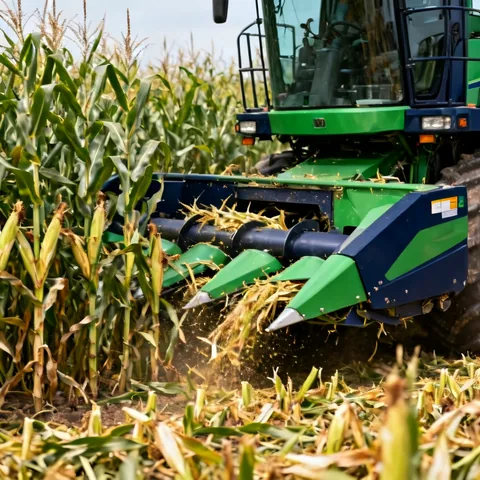
| Header working width | 6.0–7.5 m maize | 7.5–10.5 m maize |
| Target chop length | 4–12 mm silage | 4–15 mm silage |
| Throughput planning | 45–70 t/h wet crop | 80–120 t/h wet crop |
| Parameter | Round baler | Big pack square |
|---|---|---|
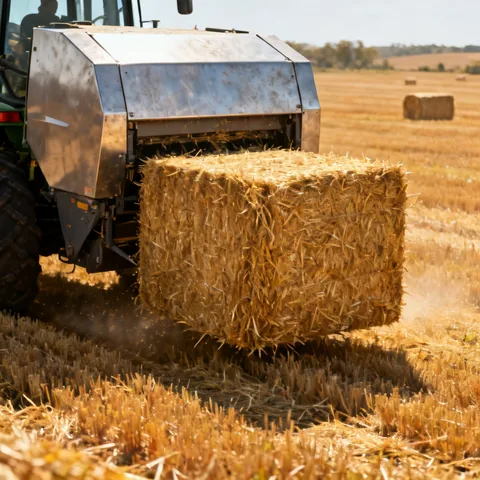
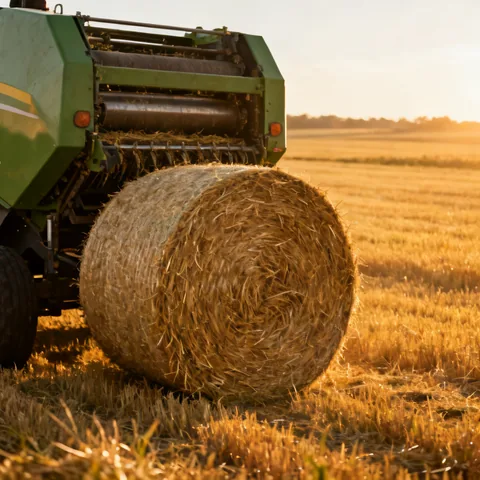
| Bale density target | 110–140 kg/m³ hay | 160–200 kg/m³ straw |
| Chamber / pack size | 1.25–1.55 m diameter | 80×70 / 120×70 cm |
| PTO requirement | 80–120 hp | 150–220 hp |
| Moisture acceptance | 14–18% hay window | ≤16% straw packing |
| Parameter | Dryer / bin path | Combine interface |
|---|---|---|
| Moisture target | 14% safe store | In-field sample checkpoints |
| Flow rate planning | 40–120 m³/h transfer | Match unloading auger cycles |
| Coverage area | 200–2000 ha programs | Header width 6–12 m |
| Acceptance log | Daily moisture tickets | Loss-pan spot checks |
Platform families
Four-column inquiry cards surface name and selection tags only. Open the quote modal—there is no product detail page.
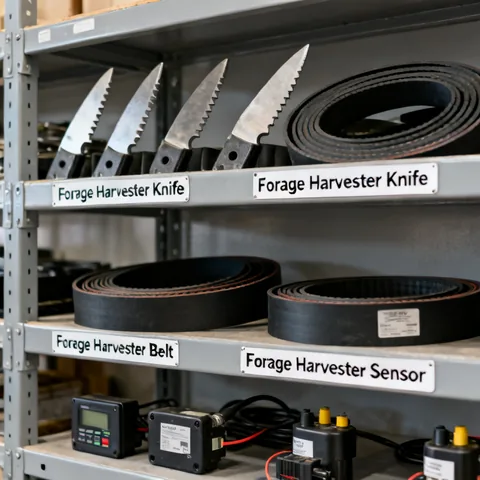
Operating contexts
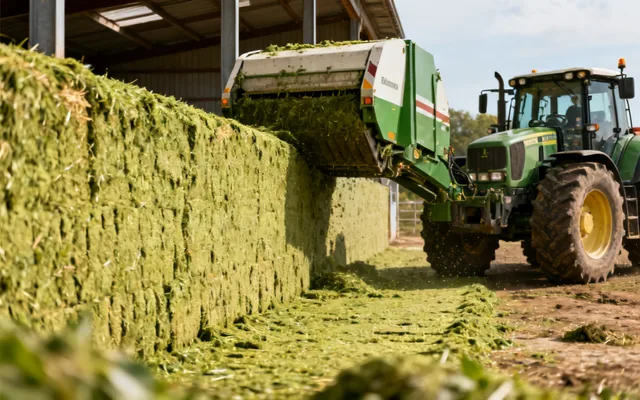
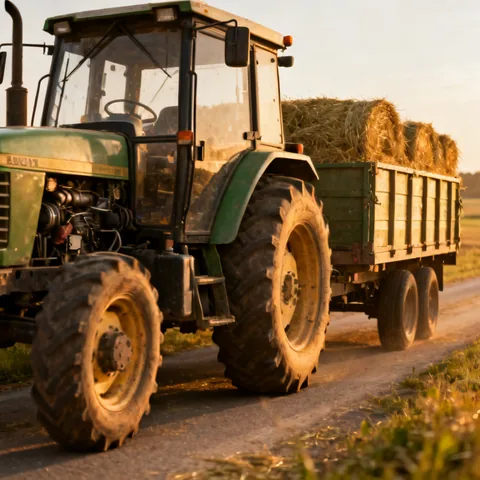
Match chop length and wagon cycles so bunker packing stays within the 4–12 mm silage window requested by nutritionists.
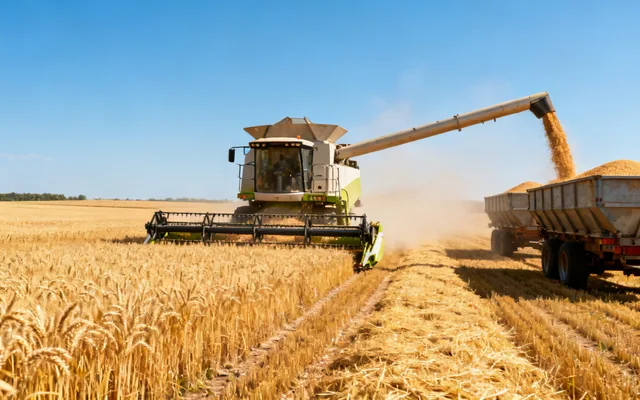
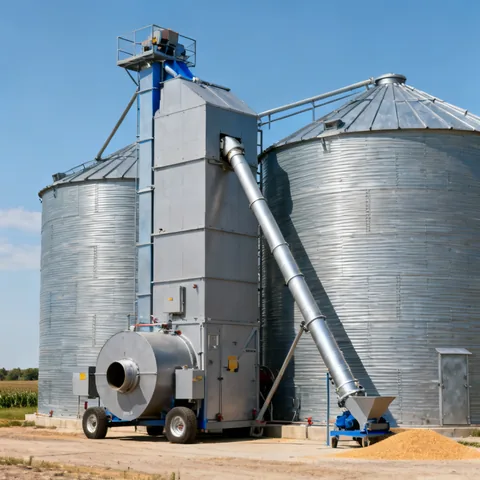
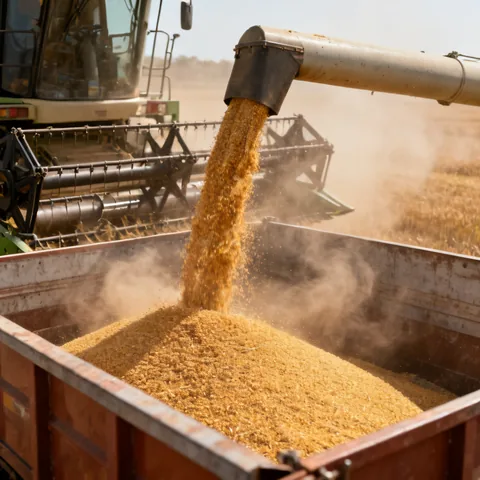
Align header width, unloading cycles and dryer flow so daily moisture tickets trend toward the 14% store target.
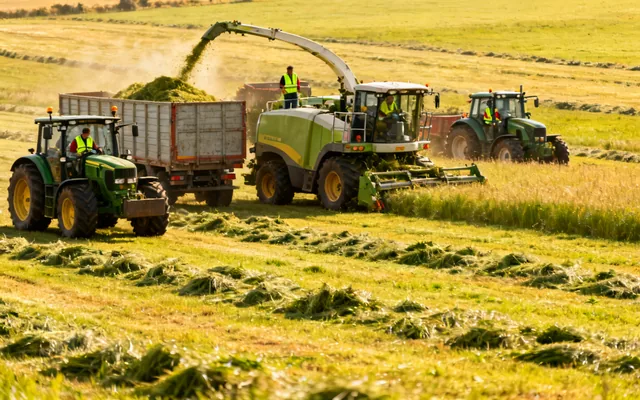
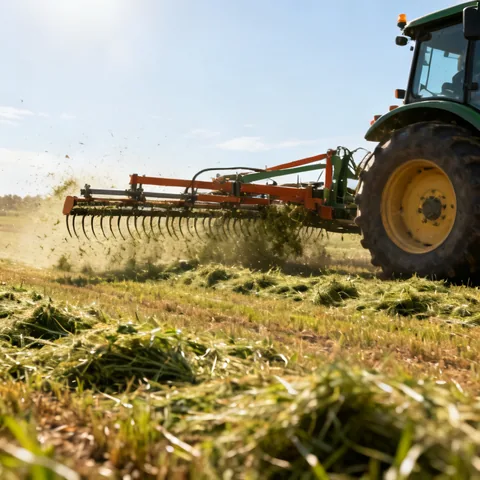
Plan fleet hours around first and second cut, with knife kits staged before weather windows close.
Application engineers return a shortlist with engine class, working width and moisture or density gates you can attach to procurement files.